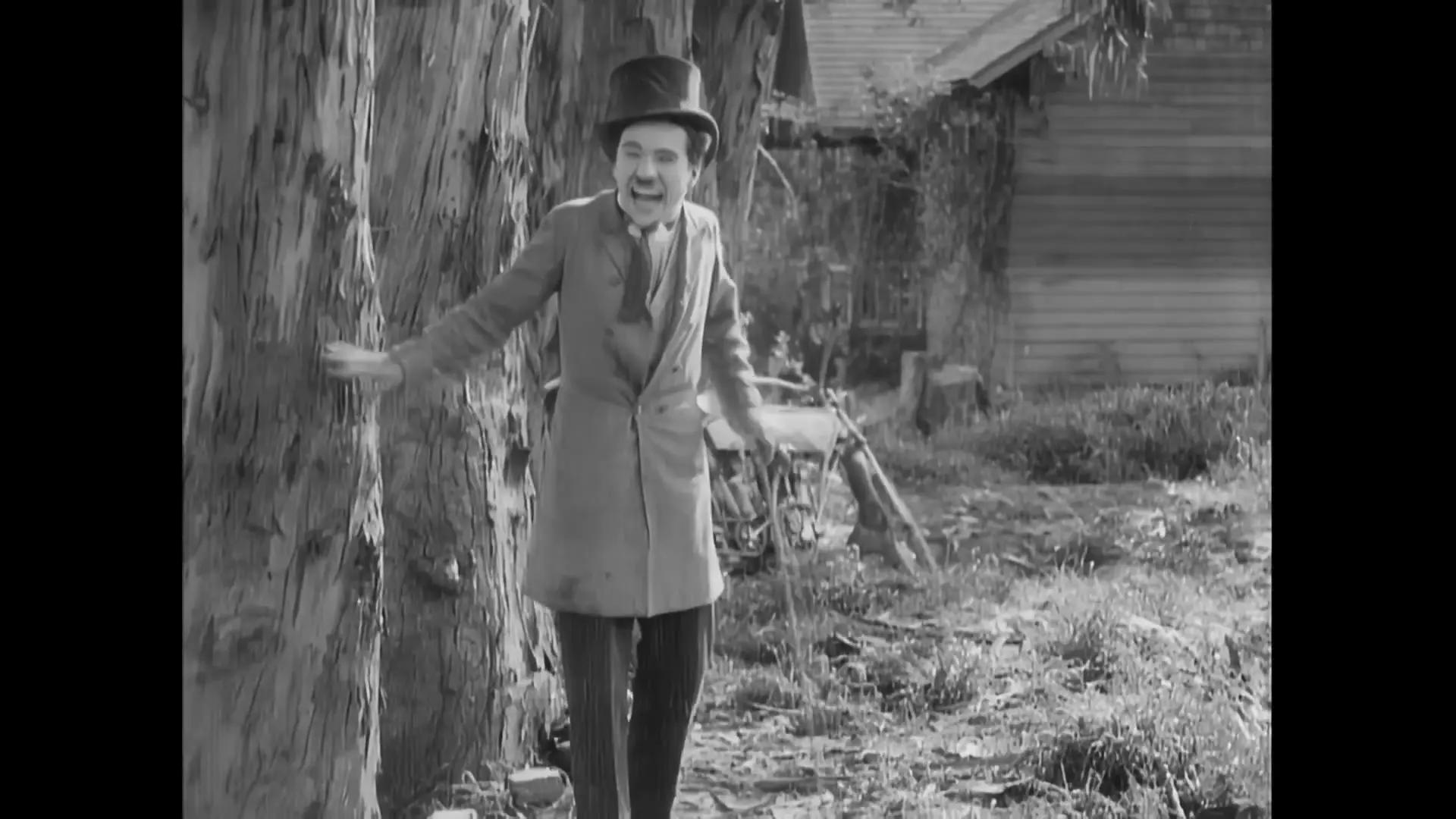
Step back into the silent era and witness Charlie Chaplin at the height of his physical comedy genius in the 1914 masterpiece The Property Man.
Long before sound graced the silver screen, Chaplin mastered the universal language of laughter through sheer kinetic energy and brilliant timing.
This refurbished full movie brings a century-old cinematic treasure back to vivid life, capturing the roaring applause and roaring laughter of early moviegoers.
As the titular property man, Chaplin navigates a world of heavy trunks, erratic performers, and backstage madness with unrivaled comedic grace.
The air is thick with anticipation and the unmistakable energy of a live vaudeville stage about to spiral completely out of control.
Every movement is calculated precision disguised as clumsy chaos, a testament to an artist who redefined what comedy could achieve visually.
From the opening moments, the film establishes a relentless pace that never lets the viewer catch their breath.
The atmosphere backstage hums with tension as actors prepare for their cues while our mischievous protagonist stirs up trouble.
Chaplin handles props not as inanimate objects, but as active co-stars in a dance of perpetual frustration and accidental triumph.
The audience in the hall reacts with cascading waves of applause, completely captivated by the escalating absurdity unfolding before them.
Time seems to bend around Chaplin's iconic Tramp-li,ke mannerisms, transforming mundane backstage duties into a masterclass of theatrical rebellion.
Around the twelve-minute mark, the tension finally snaps into glorious, unadulterated pandemonium.
During a live vaudeville performance, Charlie Chaplin hilariously gets into a chaotic behind-the-scenes backstage brawl, resulting in total slapstick comedy chaos.
During a classic silent film performance, Chaplin's character gets entangled in a chaotic physical altercation with fellow actors backstage, showcasing timeless slapstick humor.
Fists fly, props shatter, and dignity is thrown out the window as egos clash in the cramped quarters behind the curtain.
The chaotic entanglement involves frantic actors, flying stage equipment, and Chaplin right at the epicenter of the whirling storm.
Instead of panicking, he leans into the madness, weaponizing everyday stage paraphernalia to fend off rivals and assert his chaotic dominance.
The sheer physicality required for these stunts highlights Chaplin's background in British music hall traditions and acrobatic slapstick.
Every push, pull, and tumble is executed with split-second timing that ensures maximum comedic impact without losing the narrative thread.
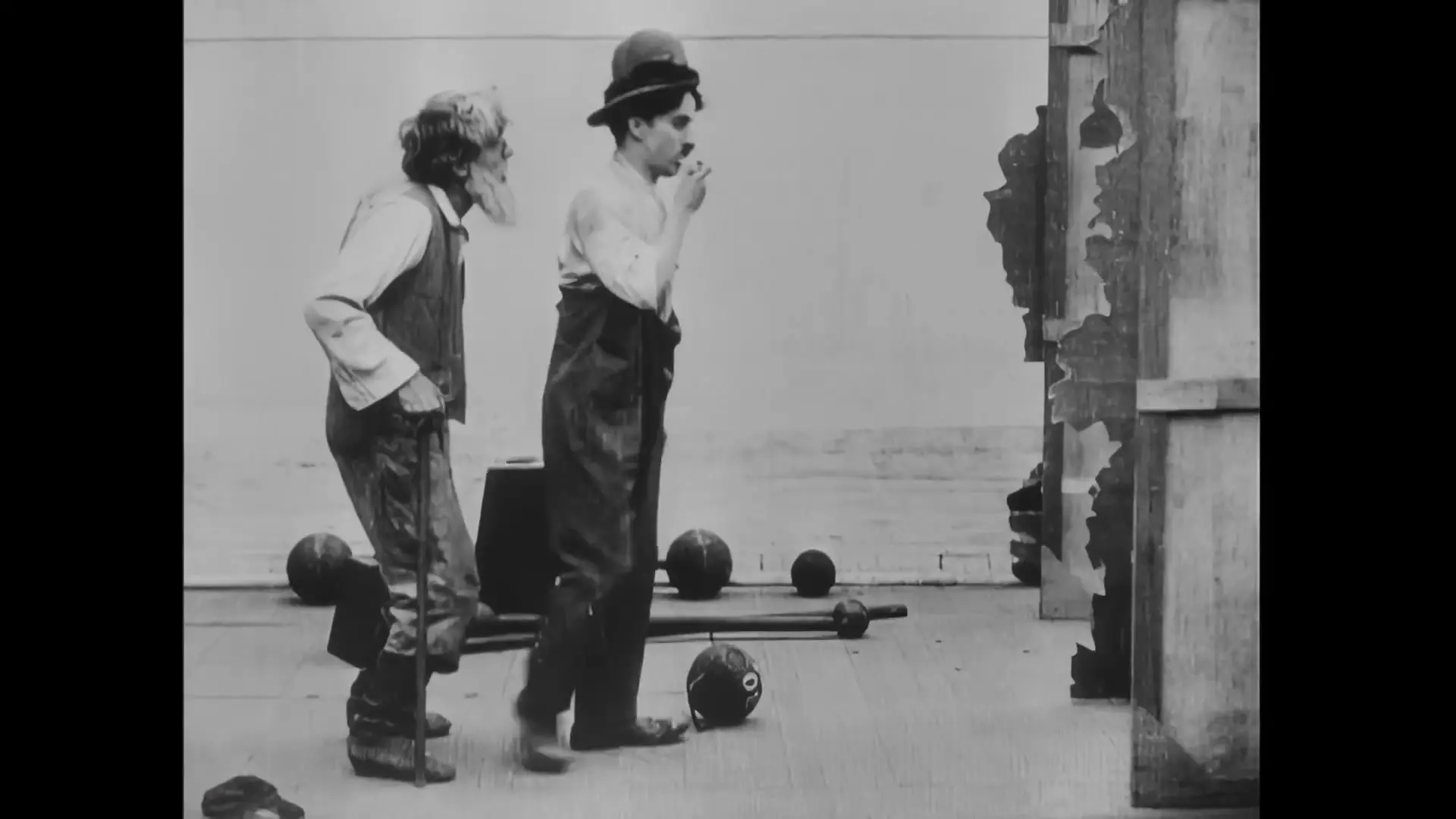
The backstage brawl escalates into a multi-person turf war where no one is safe from a rogue prop or a swift kick to the shins.
Viewers watching today can still feel the palpable rush of that live performance era, where actors had to win over crowds through pure expression and movement.
The refurbished print enhances the clarity of these historic frames, allowing modern audiences to appreciate the fine details of Chaplin's facial expressions.
His eyes dart with scheming innocence, inviting the audience into the joke even as his character feigns total ignorance of the unfolding disaster.
The supporting cast plays their straight-man roles to perfection, providing the necessary contrast to Chaplin's anarchic whirlwind of energy.
As the brawl reaches its chaotic crescendo, the boundary between the backstage squabble and the front-of-house performance completely dissolves.
Audiences of 1914 must have rolled in the aisles watching this subversive take on the organized chaos of theater life.
Chaplin treats authority figures and pompous actors with equal irreverence, puncturing their grand illusions with a well-timed shove or an awkward trip.
The longevity of this film proves that great physical comedy transcends generational gaps and technological revolutions in filmmaking.
Without uttering a single spoken word, Chaplin communicates frustration, triumph, mischief, and sheer exhaustion with crystal-clear brilliance.
The musical score accompanying the refurbished release underscores the frantic nature of the action, swelling and dipping in sync with the physical beats.
Every scene is a masterclass in spatial awareness, as Chaplin utilizes every square inch of the cramped set to execute his elaborate gags.
The property man's endless struggles with heavy trunks and demanding performers serve as a brilliant metaphor for the artist's own dedication to his craft.
Even when things go terribly wrong, Chaplin finds a way to wrest victory from the jaws of absolute cinematic embarrassment.
The applause echoing through the historical footage serves as a reminder of how powerfully this art form connected with early twentieth-century audiences.
Refurbishing such a classic ensures that the foundations of modern comedy remain accessible, educational, and endlessly entertaining for future generations.
The film wraps its frantic narrative in a neat package of timeless visual gags that continue to influence comedians and filmmakers today.
As the final curtains close on this chaotic backstage saga, viewers are left with a profound appreciation for the pioneers of silent cinema.
Charlie Chaplin's legacy lives on every time a modern performer takes a tumble for a laugh, reminding us all where the magic truly began.